
Web Design Company Nagpur: Reviews & Contact Number (2026)
15 Oct, 2026
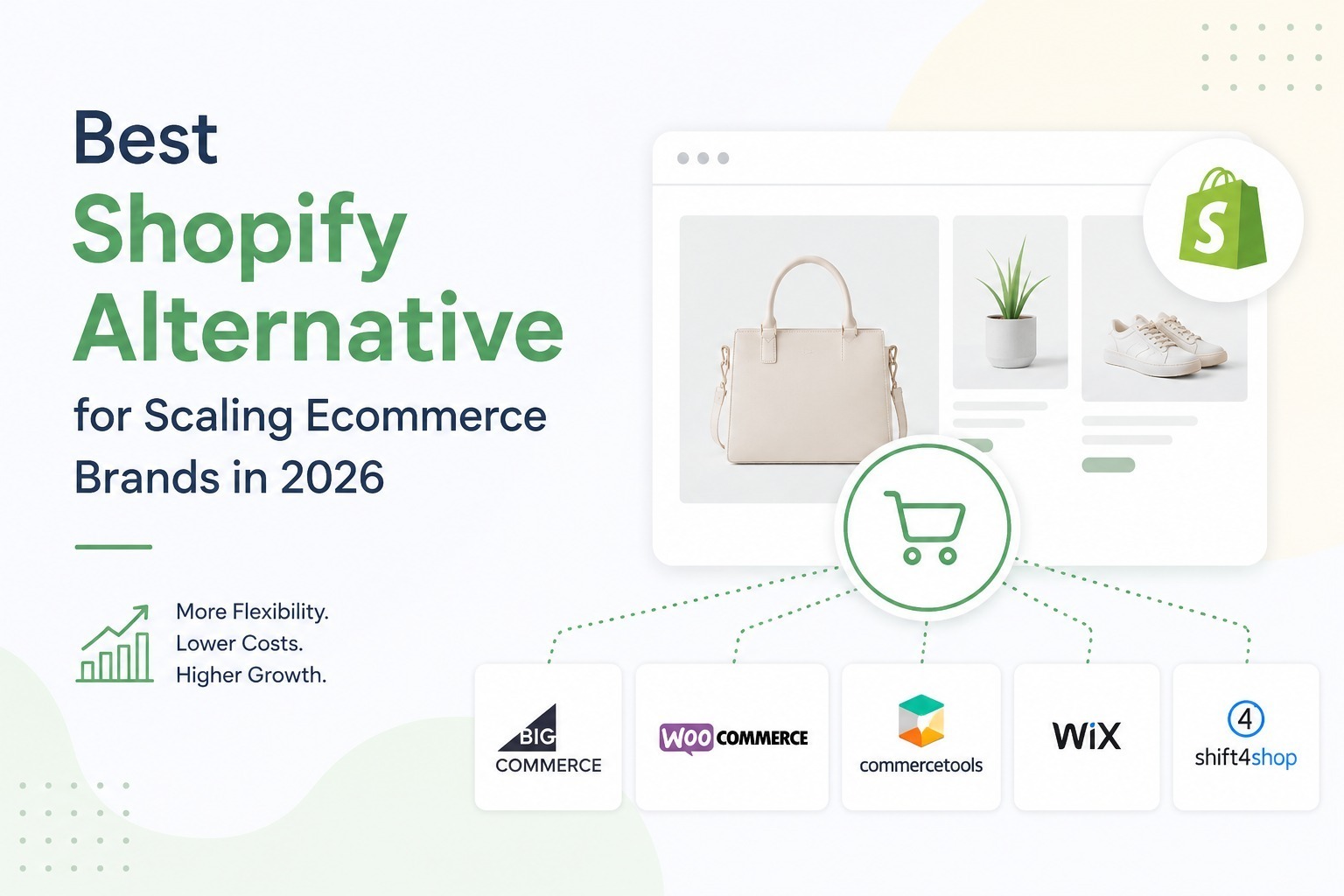
Best Shopify Alternative for Scaling Ecommerce Brands in 2026
The first year of running an ecommerce store often feels exciting. Sales start coming in, paid ads work, customers engage with the brand, and growth seems predictable. But for many businesses, the momentum slows down after that initial phase.
Customer acquisition costs rise. Competition increases. Marketing expenses grow faster than profits. Store owners spend more time managing operations instead of building scalable revenue channels.
This is exactly why many fast-growing ecommerce businesses are now searching for the best Shopify alternative for scaling in 2026.
The focus is no longer just about launching an online store. The real challenge is building an ecommerce ecosystem that can support long-term growth, vendor expansion, global selling, and recurring revenue opportunities.
Why Many Ecommerce Brands Outgrow Shopify
Shopify remains a popular platform for startups and small online stores. It offers convenience and quick setup. However, scaling brands often encounter limitations once growth reaches a certain stage.
Some of the most common challenges include:
As ecommerce becomes more competitive in 2026, businesses are looking beyond basic storefront solutions.
They want scalable platforms that allow them to:
The Shift Toward Multi-Vendor Ecommerce Platforms
The fastest-growing ecommerce ecosystems today are not limited to single-store models.
Global marketplaces like Amazon, Etsy, and Alibaba have demonstrated how multi-vendor commerce creates stronger scalability and long-term growth potential.
Instead of selling only their own products, businesses are now creating platforms where multiple vendors can sell under one ecosystem.
This model offers several advantages:
For scaling ecommerce brands, this approach creates opportunities beyond traditional D2C selling.
What Smart Ecommerce Brands Are Doing in 2026

Instead of continuously increasing ad budgets to maintain growth, smart brands are investing in scalable commerce infrastructure.
Many are:
This transition helps businesses move from:
“selling products online”
to:
“owning a scalable ecommerce ecosystem”
That difference becomes critical as competition grows globally.
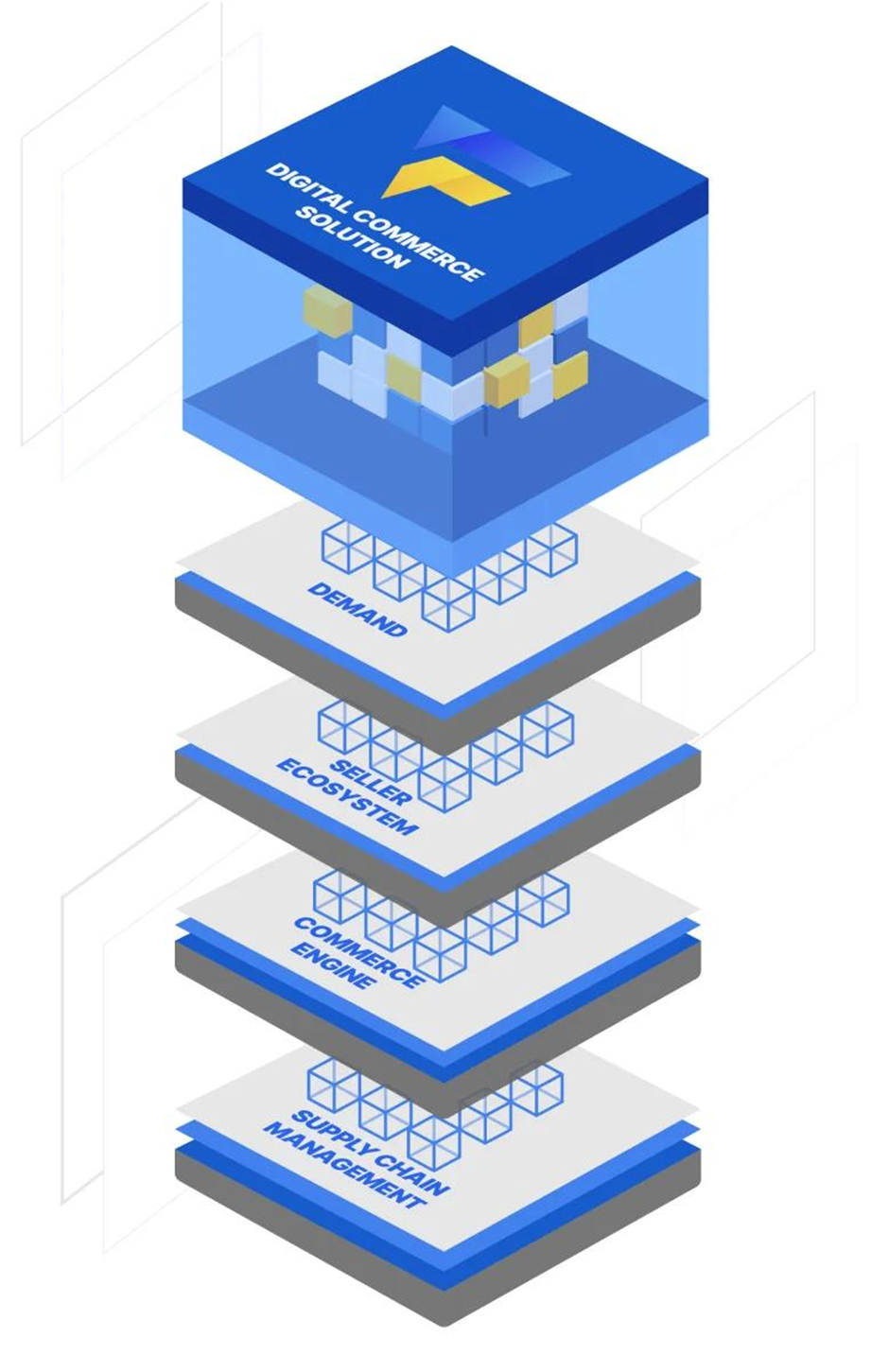
Key Features Scaling Brands Need Beyond Shopify
When evaluating the best Shopify alternative for 2026, businesses should focus on scalability rather than only storefront design.
Important features include:
Multi-Vendor Support
Ability to onboard multiple sellers with separate dashboards and commission systems.
Advanced Admin Controls
Centralized management for products, vendors, orders, payments, and analytics.
Scalable Architecture
Infrastructure capable of handling large catalogs, traffic spikes, and international growth.
Marketplace Revenue Models
Support for commissions, subscriptions, featured listings, and vendor plans.
Custom Branding & Ownership
More flexibility compared to template-based ecosystems.
Global Ecommerce Readiness
Multi-currency, international shipping, localization, and regional expansion capabilities.
Faster Time-to-Market
Ready-to-launch solutions reduce development timelines significantly.
Why Ready-to-Launch Marketplace Platforms Are Growing Fast
Building a marketplace platform completely from scratch can require significant development resources, time, and operational planning.
That’s why many ecommerce businesses now prefer ready-to-launch marketplace platforms.
These solutions help brands:
For startups and growing enterprises alike, this creates a more practical path toward marketplace expansion.
Choosing the Right Ecommerce Growth Strategy
There is no single platform that fits every business model.
However, the biggest ecommerce trend in 2026 is clear:
Businesses are moving toward scalable marketplace ecosystems instead of relying solely on single-store commerce models.
The brands that grow successfully over the next few years will likely focus on:
Final Thoughts
Shopify may still work well for early-stage ecommerce businesses. But scaling brands often need more flexibility, control, and long-term growth capabilities.
That’s why many businesses are now exploring marketplace-based ecommerce models as a smarter alternative for sustainable growth in 2026.
If your business is planning to scale beyond a traditional online store, investing in a scalable multi-vendor ecommerce ecosystem could be the next strategic step.
Launch Your Marketplace Faster
Hesten Solutions helps businesses launch scalable ready-to-deploy ecommerce and multi-vendor marketplace platforms designed for long-term growth.
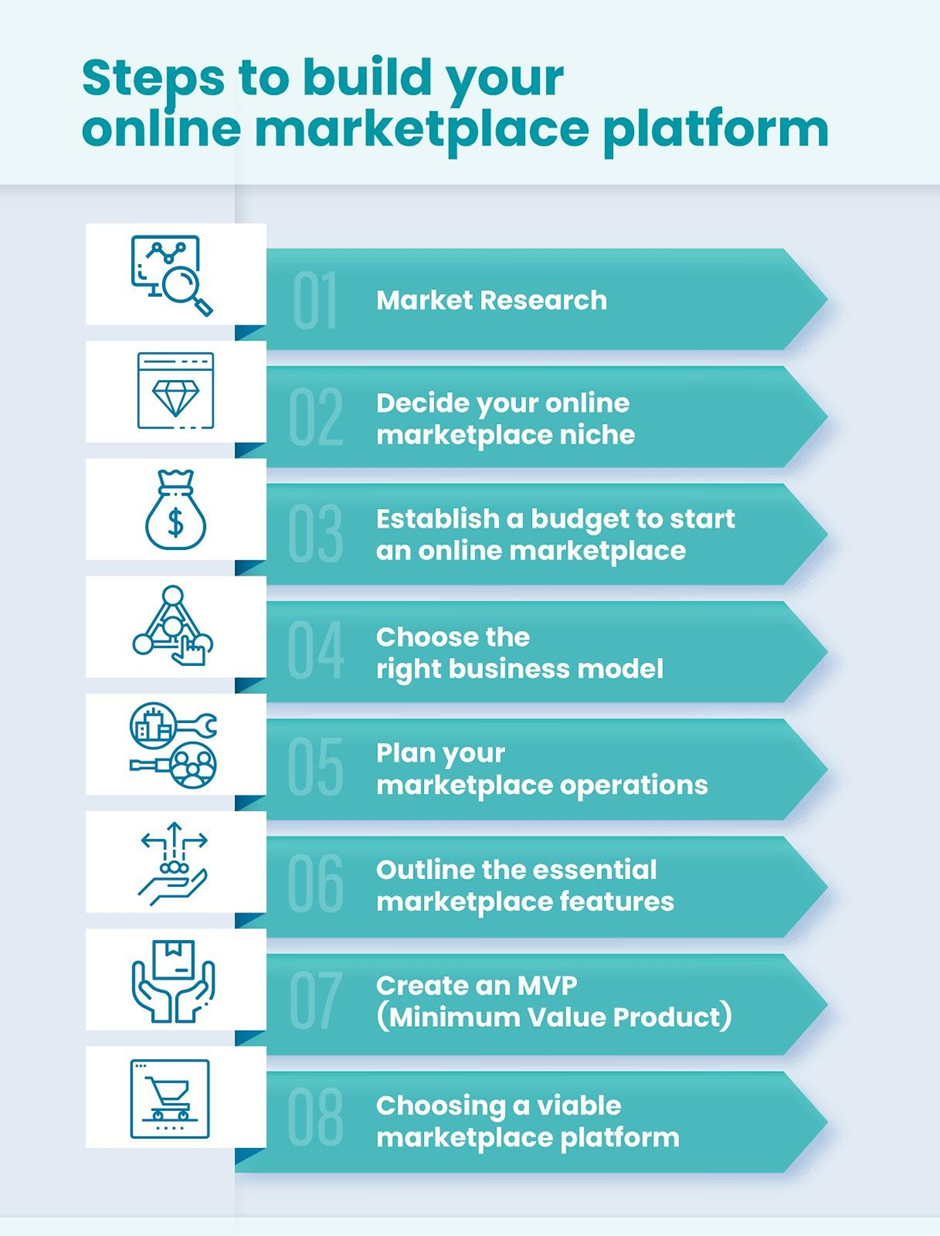
Whether you are planning a niche marketplace, B2B platform, or global ecommerce ecosystem, the right infrastructure can help you scale faster with better operational flexibility.
Looking to build your ecommerce marketplace platform?
Connect with Hesten Solutions to explore scalable eCommerce multivendor marketplace solutions tailored for modern ecommerce brands.
.jpg)